Bellevue Leak Detection Services
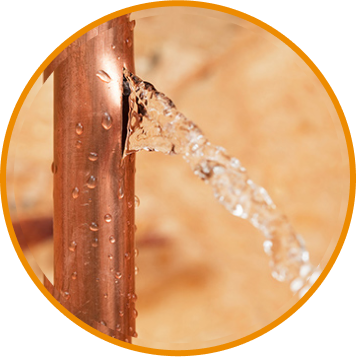
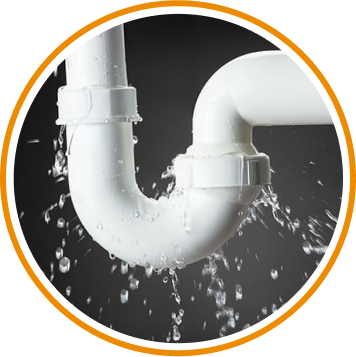
Even when leaks are behind drywall and other building materials, there are still many ways to detect them. If you have slow and hidden leaks in or around your home, there’s a good chance that your water bills are much higher than normal. Hidden leaks can make building interiors feel muggy and oppressive. When leaks exist along water supply lines, they also affect water pressure. For instance, if turning your taps on full blast results in thin, guttering streams of water, you likely have a plumbing leak.
If left unchecked, slow and hidden leaks can cause numerous issues, such as:
- Excess humidity
- Mold and mildew
- Unpleasant and pervasive odors
- Wood rot
- Warped and discolored ceilings, floors, and walls
Larger leaks can also create the annoying and persistent sound of dripping or running water behind walls.
When water leaks exist at or around building foundations, they can affect the look and structural integrity of houses all the way to their roofing. Slab leaks can cause foundation cracks and lifted or torn roof flashing.
For slab leaks, our plumbers may use sewer line cameras to identify problems and their exact locations. These small, retractable tools relay images of pipe interiors that help them assess the magnitude of the damage and determine the best solution. When necessary, acoustic, ultrasonic, and thermal imaging leak detection are popular, noninvasive alternatives to sewer cameras.
If you use natural gas in your home, higher-than-normal gas bills are also a cause for concern. Much like elevated water bills, sudden increases in natural gas costs could indicate leaks. Other signs of gas leaks include sulfurous, rotten egg smells and whistling, roaring, or hissing sounds coming from gas supply lines. If you or other household members frequently suffer from headaches, nausea, dizziness, or other symptoms of natural gas exposure, turn your gas off, exit your home, and schedule gas leak detection right away.


 Today
Today